
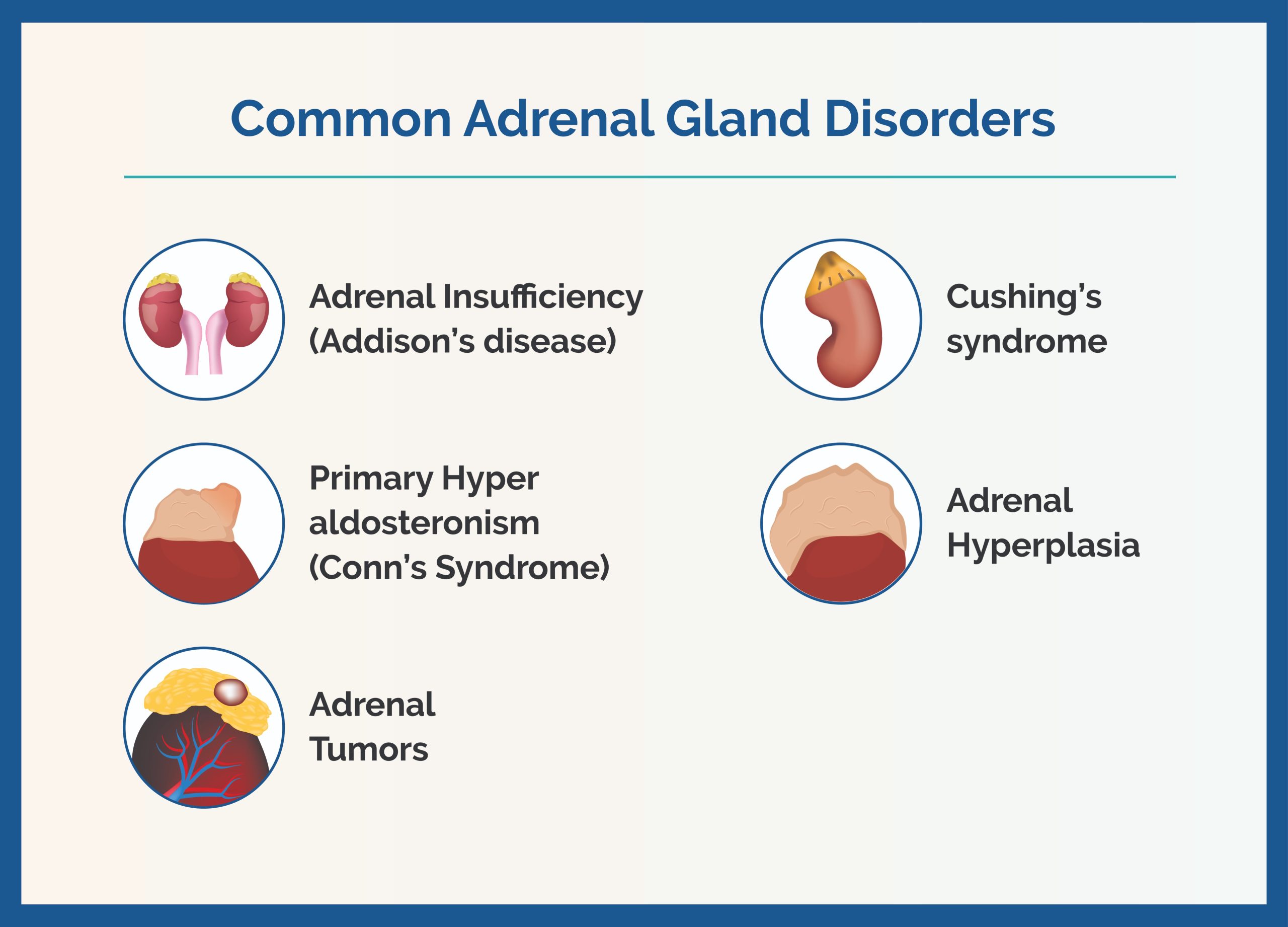
Adrenal Gland Treatment Guide
Your adrenal glands are tiny. They still do a lot for you. These two glands sit on top of your kidneys and make hormones that help control stress, blood pressure, fluid balance, energy use, and more. When they aren’t working well, you may feel flat, foggy, anxious, dizzy, or just not like yourself.
I find this area gets confusing fast. You hear about clear medical conditions like Addison’s disease and Cushing’s syndrome. You also hear people talk about stress, burnout, and “adrenal fatigue.” We need to separate those ideas while still looking at your whole health picture.
That’s what this guide does. I’ll walk you through common adrenal issues, standard treatments, lifestyle support, and a few complementary options that may help alongside medical care.
Understanding the Adrenal Glands
Your adrenal glands make several hormones that your body relies on every day:
- Cortisol, which helps you respond to stress and manage blood sugar
- Aldosterone, which helps control blood pressure and fluid levels
- Adrenaline and noradrenaline, which drive your fight-or-flight response
- Small amounts of sex hormones, including androgens
When these hormones run too high or too low, your body feels it. Symptoms can show up in many ways.
Common Symptoms of Adrenal Imbalance
Your symptoms depend on the cause. You might notice:
- Ongoing tiredness
- Trouble getting out of bed
- Poor stress tolerance
- Broken sleep
- Weight gain or weight loss
- Salt cravings
- Low blood pressure or dizziness
- Muscle weakness
- Anxiety or low mood
- Brain fog or poor focus
- Blood sugar swings
- Skin changes, such as darkening or thinning
- Irregular periods or lower libido
These signs don’t always point to your adrenal glands. I want to be clear about that. Thyroid problems, poor sleep, low iron, depression, infection, and other hormone issues can look similar. That’s why proper testing matters.
Common Adrenal-Related Conditions
Not every adrenal concern means the same thing. Some conditions have clear medical definitions. Others show up more often in wellness spaces than in standard endocrinology.
Adrenal Fatigue
A lot of people use the term “adrenal fatigue.” They usually mean a cluster of symptoms linked with long-term stress. That may include:
- Feeling tired even after sleep
- Craving sugar or salt
- Hitting an afternoon slump
- Feeling wired at night
- Struggling under pressure
- Leaning on caffeine to get through the day
Here’s the key point. Conventional endocrinology doesn’t recognise adrenal fatigue as a formal diagnosis. Still, the symptoms people feel are real. I wouldn’t brush them off. In functional medicine, we may see this pattern as stress-system imbalance rather than your adrenal glands simply “wearing out.”
Common drivers may include:
- Long-term stress
- Poor sleep
- Overtraining
- Not eating enough or eating poorly
- Blood sugar swings
- Ongoing illness or inflammation
- Burnout
Support usually starts with basics. We look at sleep, food, stress, recovery, and possible root issues.
Cushing’s Syndrome
Cushing’s syndrome happens when your body has too much cortisol for too long. That can happen for a few reasons:
- Long-term use of steroid medicines
- A pituitary tumour that drives cortisol production
- An adrenal tumour
- Rare tumours elsewhere that make hormone signals
You may notice signs like:
- Weight gain, especially around your middle and upper back
- A rounder face
- Thin skin and easy bruising
- Purple stretch marks
- High blood pressure
- High blood sugar
- Muscle weakness
- Mood changes
- Irregular periods
This condition needs proper medical care. It’s serious, and you need specialist assessment.
Addison’s Disease
Addison’s disease means your adrenal glands don’t make enough cortisol. They often don’t make enough aldosterone either. Autoimmune damage causes many cases.
Symptoms may include:
- Severe tiredness
- Weight loss
- Dizziness
- Low blood pressure
- Nausea or tummy discomfort
- Salt cravings
- Darker skin
- Muscle weakness
This condition can become dangerous fast. If it leads to an adrenal crisis, it’s a medical emergency. You need prompt diagnosis and ongoing treatment.
Conventional Treatments for Adrenal Gland Disorders
Treatment depends on your diagnosis. Cause matters. Severity matters too. If your doctor suspects an adrenal issue, they may order blood tests, urine tests, and sometimes imaging. In some settings, they may also use saliva testing.
Hormone Replacement Therapy
If your adrenal glands don’t make enough hormones, you may need replacement treatment. That’s the backbone of care for adrenal insufficiency.
Treatment for Addison’s Disease
If you have Addison’s disease, you’ll usually need lifelong hormone replacement, such as:
- Hydrocortisone, prednisolone, or cortisone acetate to replace cortisol
- Fludrocortisone to replace aldosterone when needed
The goals are pretty simple:
- Help you feel and function better
- Keep your blood pressure and hydration stable
- Prevent adrenal crisis
- Adjust doses during illness, injury, or surgery
Doctors also teach many patients “sick day” rules. You need to know when to increase your medicine and when to get urgent help.
Medication Management for Excess Cortisol
If you have Cushing’s syndrome, treatment aims to lower cortisol. Your care team may use one or more of these steps:
- Slowly reducing steroid medicines if they caused the problem
- Surgery to remove a pituitary or adrenal tumour
- Medicines that lower cortisol production
- Radiation in selected cases
Your doctor will keep a close eye on you. Cortisol that’s too high causes harm. Cortisol that’s too low does too.
Treating Underlying Causes
Doctors also treat the reason behind the hormone problem. Depending on your case, that may include:
- Managing autoimmune disease
- Removing adrenal tumours
- Treating pituitary disorders
- Changing medicines that cause side effects
- Monitoring blood pressure, blood sugar, and electrolytes
Good care often takes a team. You might work with a GP, endocrinologist, dietitian, and other health professionals.
Lifestyle and Nutritional Support for Adrenal Health
Lifestyle changes won’t replace medical treatment for a true adrenal disorder. They can still make a real difference. I often think of them as the ground under your feet. If that ground is shaky, everything feels harder.
Diet to Support Stable Energy and Hormone Balance
Food won’t fix serious adrenal disease on its own. It can help support your energy, stress response, and recovery. A simple approach often works best:
- Eat regular meals to steady blood sugar
- Include protein with each meal
- Choose higher-fibre carbs over heavily processed foods
- Add healthy fats like olive oil, nuts, seeds, and avocado
- Stay hydrated
- Limit excess alcohol
- Cut back on heavy caffeine use, especially later in the day
Foods that may help include:
- Eggs, fish, chicken, tofu, and legumes
- Leafy greens and colourful vegetables
- Wholegrains
- Berries and other fruit
- Natural yoghurt or fermented foods if they suit you
- Nuts and seeds rich in magnesium
Some people with adrenal insufficiency need specific advice about salt and fluids. Your doctor should guide that.
Stress Management
Your stress response and your adrenal hormones work closely together. When stress stays high, sleep, mood, appetite, and energy often take a hit. Helpful tools may include:
- Daily breathing exercises
- Gentle yoga or stretching
- Meditation or mindfulness
- Time outdoors
- Counselling or therapy
- Saying no more often
- Building more rest into your day
We can’t erase stress from life. We can help your nervous system cope better.
Sleep Hygiene
Sleep affects everything. Poor sleep can worsen fatigue, cravings, low mood, and poor focus. Small habits often help more than people expect:
- Go to bed and wake up at similar times
- Get morning sunlight
- Keep your bedroom dark and cool
- Put screens away before bed
- Avoid large late meals and late caffeine
- Build a calming night routine
If you improve your sleep, you may feel a shift quickly. For many people, it’s one of the biggest wins.
Natural and Complementary Approaches
Some people want extra support. That’s understandable. Natural options may help in some cases, but they shouldn’t replace medical care for diagnosed adrenal disease.
Evidence-Based Supplements
Some supplements may support sleep, stress recovery, or nutrient levels. Depending on your needs, options may include:
- Magnesium for relaxation, sleep, and nerve function
- Vitamin C for general support and adrenal hormone production
- B vitamins if your diet is poor or you have a deficiency
- Omega-3 fatty acids for general health and inflammation balance
- Electrolytes in some cases of dehydration or low blood pressure, with guidance
Some people also ask about herbs, such as:
- Ashwagandha
- Rhodiola
- Holy basil
- Liquorice root
These herbs may help some people. They aren’t right for everyone. Liquorice, for example, can raise blood pressure. Herbs can also interact with medicines or affect other conditions.
Holistic Practices
Some complementary practices may help you feel better day to day. These include:
- Acupuncture
- Massage therapy
- Mindfulness-based stress reduction
- Gentle movement programs
- Trauma-informed therapy when needed
- Nutrition counselling
I see these as support tools. They may improve quality of life and stress tolerance. They shouldn’t replace proper medical treatment.
When to Be Cautious
Natural doesn’t always mean safe. Please get professional advice before trying supplements if you:
- Take prescription medicines
- Have high blood pressure
- Are pregnant or breastfeeding
- Have autoimmune disease
- Have confirmed adrenal insufficiency or Cushing’s syndrome
- Have a history of hormone-sensitive conditions
A qualified practitioner can check for interactions, side effects, and dose issues. That step matters.
A Functional Medicine Perspective on Adrenal Treatment
Functional medicine often asks broader questions. We may look at how stress affects your whole body, not just your lab results. We may also ask whether blood sugar swings, gut issues, inflammation, nutrient gaps, trauma, overwork, or under-eating play a part.
That wider view can help. Still, we need to keep our feet on the ground. Serious adrenal disorders need proper diagnosis. Some symptoms that seem “adrenal” may come from something else entirely.
Conclusion
Adrenal gland treatment isn’t one-size-fits-all. If you have Addison’s disease, you may need lifelong hormone replacement. If you have Cushing’s syndrome, you may need surgery, medicine, or a review of steroid treatment. If you’re dealing with burnout-style symptoms, the focus may shift to sleep, stress, food, and recovery habits.
I think the best approach is a balanced one. Functional medicine can help us look at lifestyle and root patterns. Conventional medicine gives you testing, diagnosis, and treatment for true endocrine disease. Put together, they can give you a fuller path forward.
If you’re dealing with fatigue, dizziness, cravings, weight changes, or poor stress tolerance, don’t guess. Get checked. The right diagnosis shapes the right treatment.
Medical Disclaimer
This article gives general education only. It doesn’t give medical advice. It doesn’t diagnose, treat, cure, or prevent any health condition. If you have symptoms that may relate to your adrenal glands, please speak with your GP, endocrinologist, or another qualified health professional. Seek urgent medical care if you have severe weakness, vomiting, confusion, dehydration, or fainting, as these may signal a medical emergency.



Leave a Reply
You must be logged in to post a comment.